About PIR in general
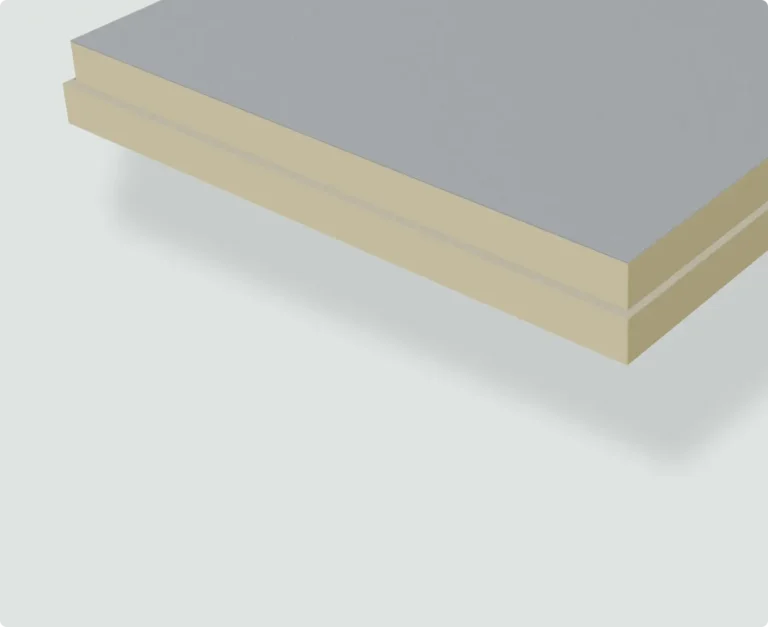
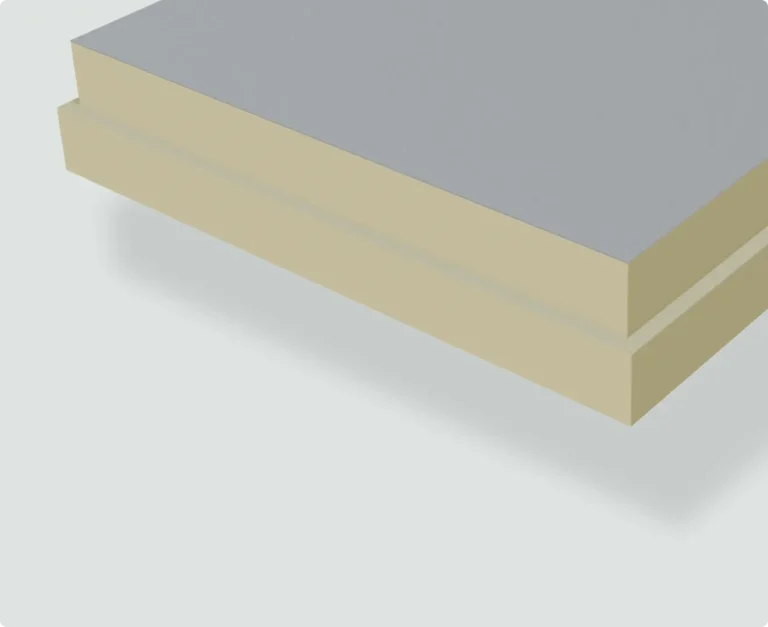
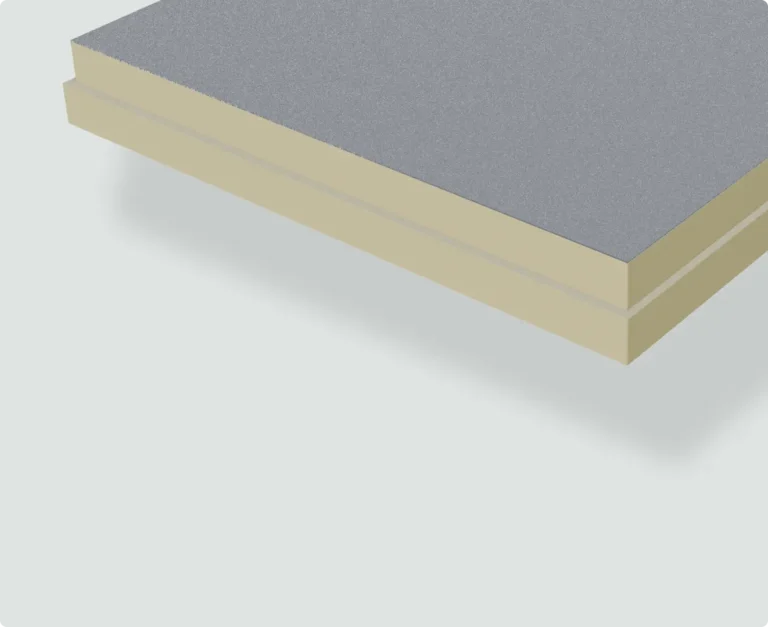
Innopan PIR thermal insulation materials stand out from the crowd due to their combination of properties and make them the most modern thermal insulation solutions of today. They have some very outstanding characteristics and some others that are generally the same as other thermal insulation materials, but they do not have particularly disadvantageous properties, so there are no compromises to be made during their use.
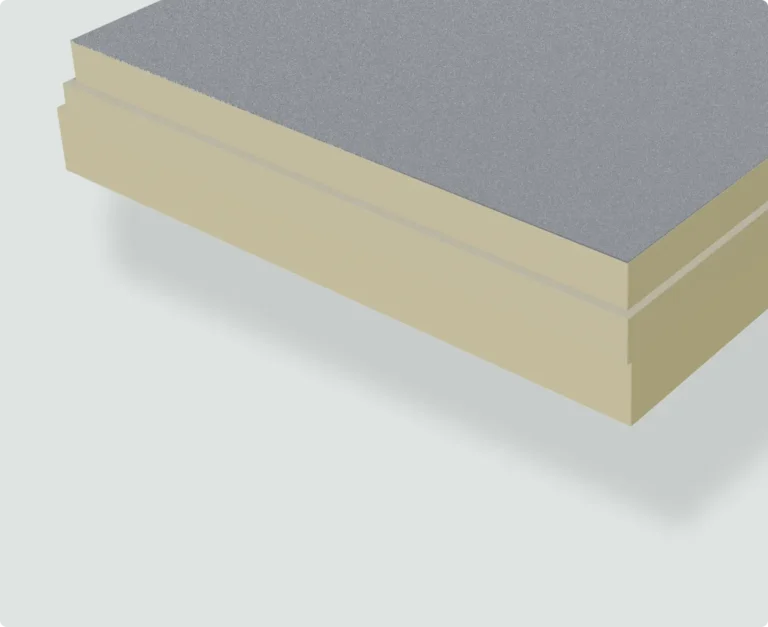
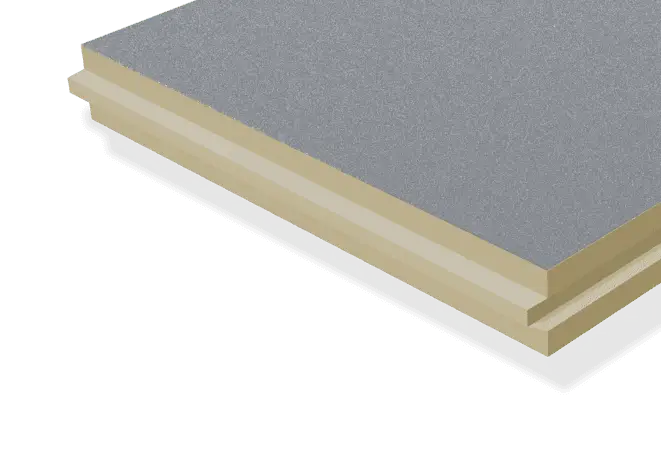
PIR ALU/Therm
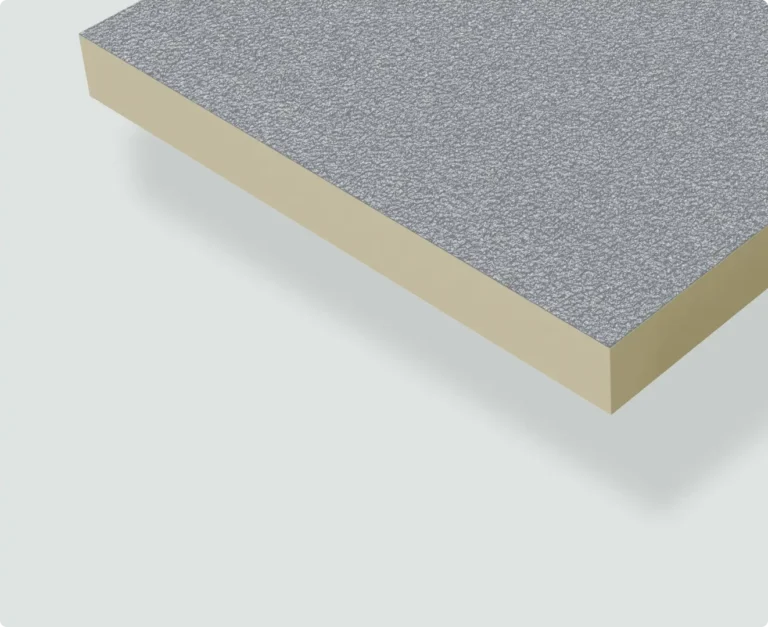
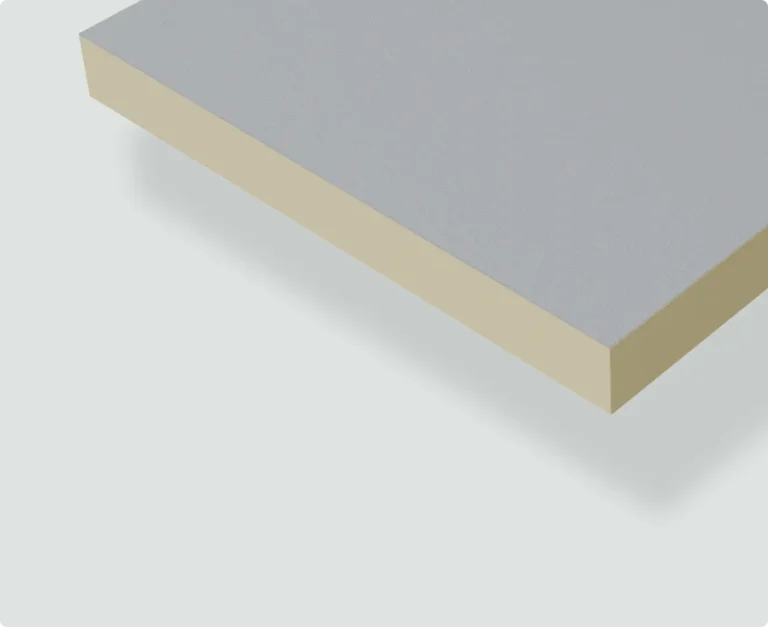
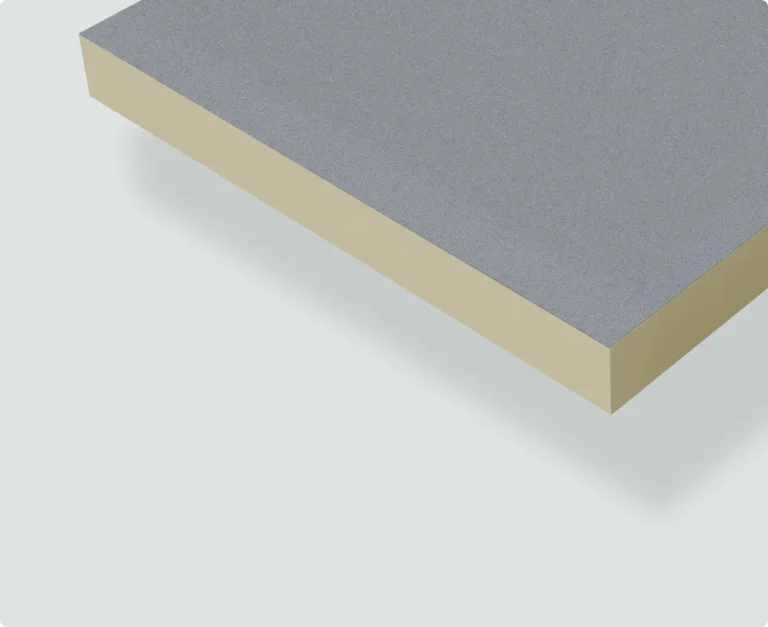
05Our ALU/Therm thermal insulation boards have the best thermal conductivity factor available on the market. Another advantage is that the double-sided aluminum cladding barely absorbs heat, so subsequent heat radiation can be significantly reduced. Thanks to their many other favorable properties, they are an effective thermal insulation solution at almost any point of the building structure.
Energy-efficient and comfortable homes are built using PIR thermal insulation boards.
Our mission, is to create sustainable insulation materials that meet the needs of the future.
Less heat-insulating material is also sufficient
Innopan PIR thermal insulation boards are effective even when applied in a thinner layer thanks to their excellent thermal insulation ability, and meet consumer expectations and legal regulations. Their use reduces construction waste, the ecological footprint of buildings and energy consumption, so their impact on the environment is favorable.
Environmental Product Declaration (EPD)
All our thermal insulation boards have an independent, third-party certified Environmental Product Declaration (EPD). The EPD makes it possible to compare construction materials already during the design phase, thus clearly showing which product has a smaller negative environmental impact during its entire life cycle.
Ecological product
The energy required for the production of Innopan PIR thermal insulation boards is insignificant compared to the energy saved during their lifetime. In addition, they do not contain ingredients harmful to human life or the environment, and they also have an Environmental Product Declaration, which makes them comparable to other building materials.